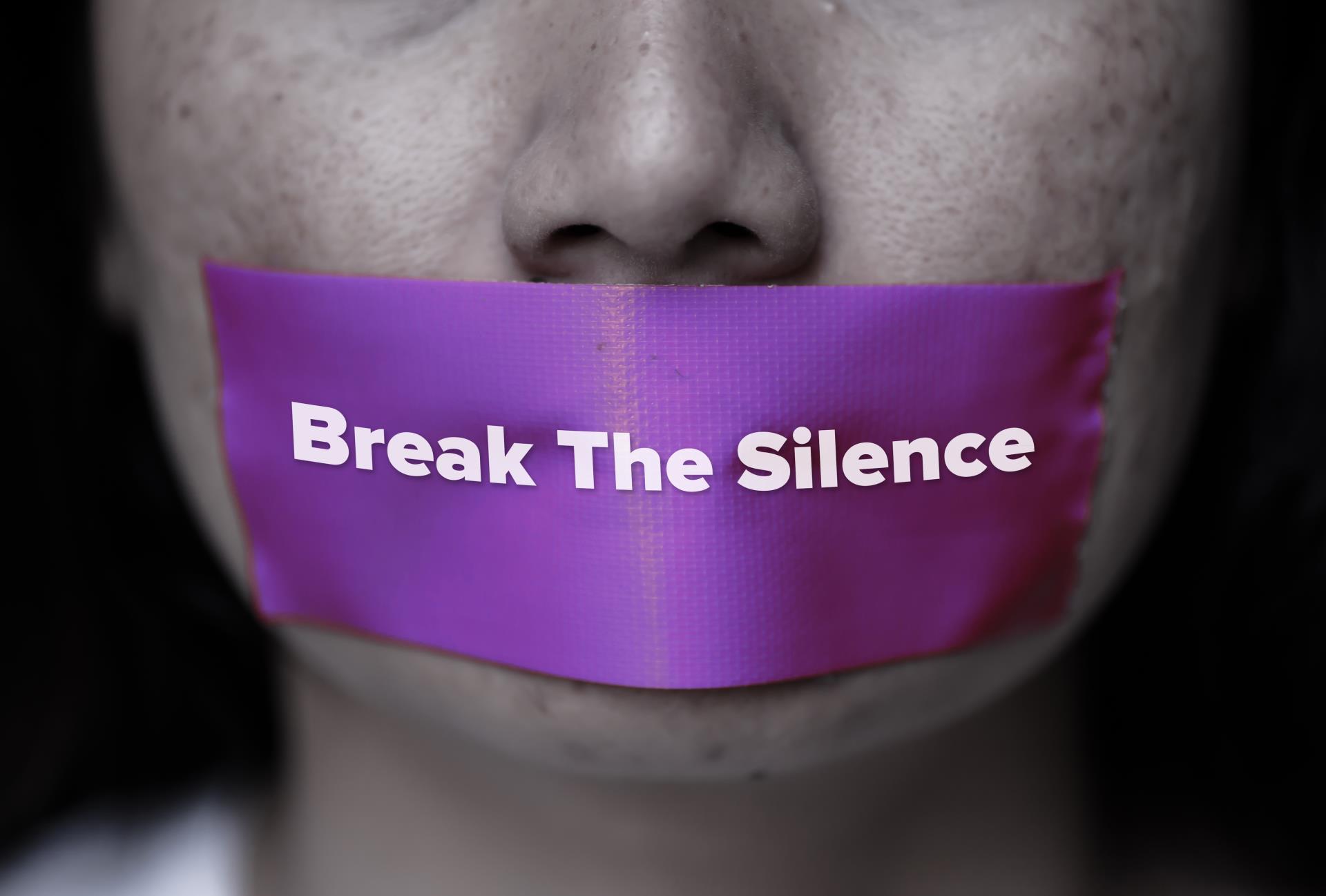
If you have been through something truly devastating – the kind of experience that shakes you to your core, perhaps the terror and control of domestic violence, or any other significant trauma – you know the world can feel fundamentally altered. The ground beneath you might feel unsteady, and just getting through the day can require immense strength. You might feel isolated, broken, or wonder if healing is even possible.
PTG isn’t about saying trauma is good, or that you should just “get over it.” Absolutely not. Trauma is a horrific experience. PTG is about the profound changes that can occur as a result of grappling with highly challenging, traumatic life events. It’s not bouncing back to the way things were (that’s resilience), and it’s more than just healing (that’s recovery). It’s about growing beyond your earlier self, forged in the fire of adversity.
What is Post Traumatic Growth?
Imagine a tree that weathers a terrible storm. It might lose branches, suffer damage, but if its roots are strong and it receives nourishment, it can continue to grow, perhaps even stronger, with a unique shape that tells the story of its survival. PTG is a little like that – a testament to the enduring ability of the human spirit.
This growth doesn’t happen to you; it often happens because of the courageous work you do to process, make meaning, and live in the aftermath of trauma.
The Five Areas of Positive Change
So, what does this journey of Post Traumatic Growth look like in the lives of survivors? Researchers Richard Tedeschi and Lawrence Calhoun named five common areas where people report experiencing positive change:

1. A Deeper Appreciation for Life
When life’s fragility becomes starkly clear, survivors often find a heightened sense of gratitude for the present moment. Small things once taken for granted – a sunrise, a quiet cup of tea, a genuine smile – can become profoundly precious.
A survivor reflects: “After living in constant fear, just a simple evening of peace, feeling safe in my own home, feels like the most incredible gift. I don’t sweat the small stuff anymore; I just appreciate being.”
This isn’t about being happy all the time but finding pockets of deep appreciation amidst the ongoing journey.
- Reflection: What is one small thing you have noticed or appreciated today that you might not have before your experience?
2. Stronger Relationships
Trauma can tragically isolate individuals. Yet, the need for connection and the process of sharing one’s story can lead to the development of more meaningful, authentic relationships. Survivors may feel closer to loved ones, experience greater empathy for others, and build powerful connections with fellow survivors who truly understand.
- A survivor shares: “For years, I was cut off from everyone. Leaving was terrifying, but joining a support group changed everything. The bond I have with the women there is unlike anything I’ve ever known. We lift each other up because we get it.”
This growth often involves learning to trust wisely and setting healthy boundaries in relationships moving forward.
- Reflection: Have your relationships changed since your trauma? In what ways have you looked for or found deeper connection?
3. Increased Personal Strength
Simply surviving trauma requires unimaginable strength. Through navigating the healing process, confronting difficult emotions, and rebuilding a life, individuals often discover a profound sense of inner resilience and capability they didn’t know they had. They learn they are stronger than they ever imagined.
- An individual realizes: “He always told me I was weak, that I couldn’t survive without him. Leaving, finding a job, taking care of myself and my kids – it was the hardest thing, but every small victory proved him wrong. I know I can manage so much more than I ever thought possible.”
This newfound strength isn’t about being invincible but about recognizing your ability to endure and overcome.
- Reflection: Think about a challenge you have faced since the trauma. What strength did you find within yourself to get through it?

4. New Possibilities
Trauma can feel like an ending, but the fundamental shift it creates can also open doors to new beginnings and possibilities. Survivors may re-evaluate their life paths, change careers, pursue long-held dreams, or find a new sense of purpose that aligns with their changed perspective.
- A survivor discovers a new path: “After everything that happened, my old job felt meaningless. I realized I wanted to help others who were going through what I did. I went back to school, something I never thought I’d do, and now I work at a shelter. It’s challenging, but it feels like what I was meant to do.”
This growth involves recognizing that even when a planned future is taken away, there is potential to build a new, meaningful one.
- Reflection: Have your priorities or goals shifted since your trauma? Are there new paths you are considering or pursuing?
5. Spiritual or Existential Change
Facing significant adversity often prompts a deeper reflection on life’s meaning, values, and spirituality. This can manifest in various ways: a strengthening of existing faith, the exploration of new spiritual paths, a greater sense of connection to the world or humanity, or a clearer understanding of one’s personal philosophy.
- An individual finds new meaning: “I questioned everything after the accident. Why me? Why them? I didn’t find easy answers, but I found a deeper sense of peace in nature and in connecting with something bigger than myself. It’s not religion, but it’s a profound sense of being connected.”
This area of growth involves finding or refining a framework for understanding suffering and finding meaning in existence.
- Reflection: Has your understanding of life, your values, or your spiritual beliefs changed since your trauma?

Your Journey, Your Pace
It is vital to reiterate that Post Traumatic Growth is a possibility, not an expectation or an obligation. There is no pressure to feel grateful or transformed after trauma. The priority is always healing, safety, and well-being. Growth can happen alongside continued struggles, and it looks different for everyone. There is no single timeline.
The journey through and beyond trauma is deeply personal and often requires support. If you are struggling, please reach out.
Resources for Support:
- National Domestic Violence Hotline: Call | Text | Chat | Website
- RAINN (Rape, Abuse & Incest National Network): Call | Chat | Website
- Crisis Text Line: Text HOME to 741741
- The National Alliance on Mental Illness (NAMI): Website
- SAMHSA National Helpline: 1-800-662-HELP (4357)
Finding light after darkness is a process. It involves courage, self-compassion, and often, the support of others. The strength you have shown in surviving is the foundation upon which growth can be built, allowing you to move towards a future that, while marked by your experience, is not defined solely by it. Your capacity for growth is real.